
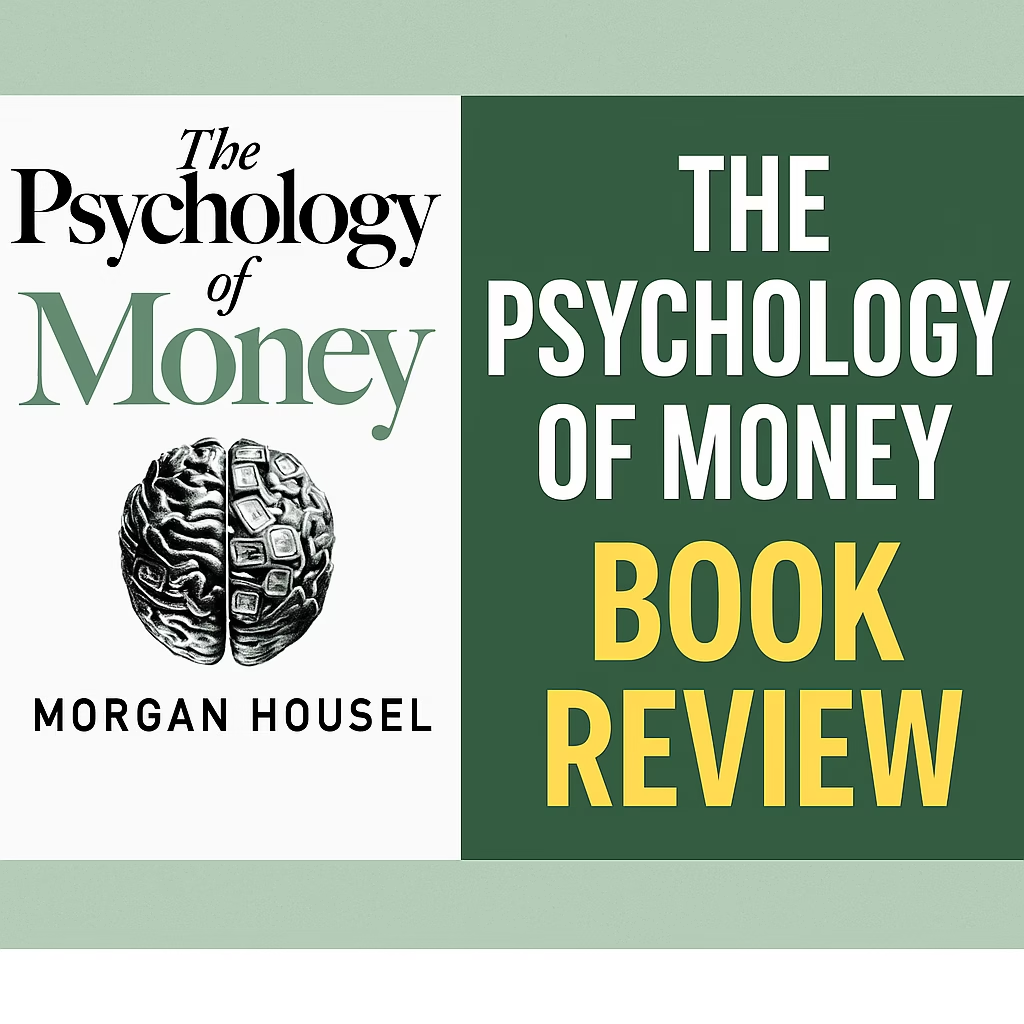
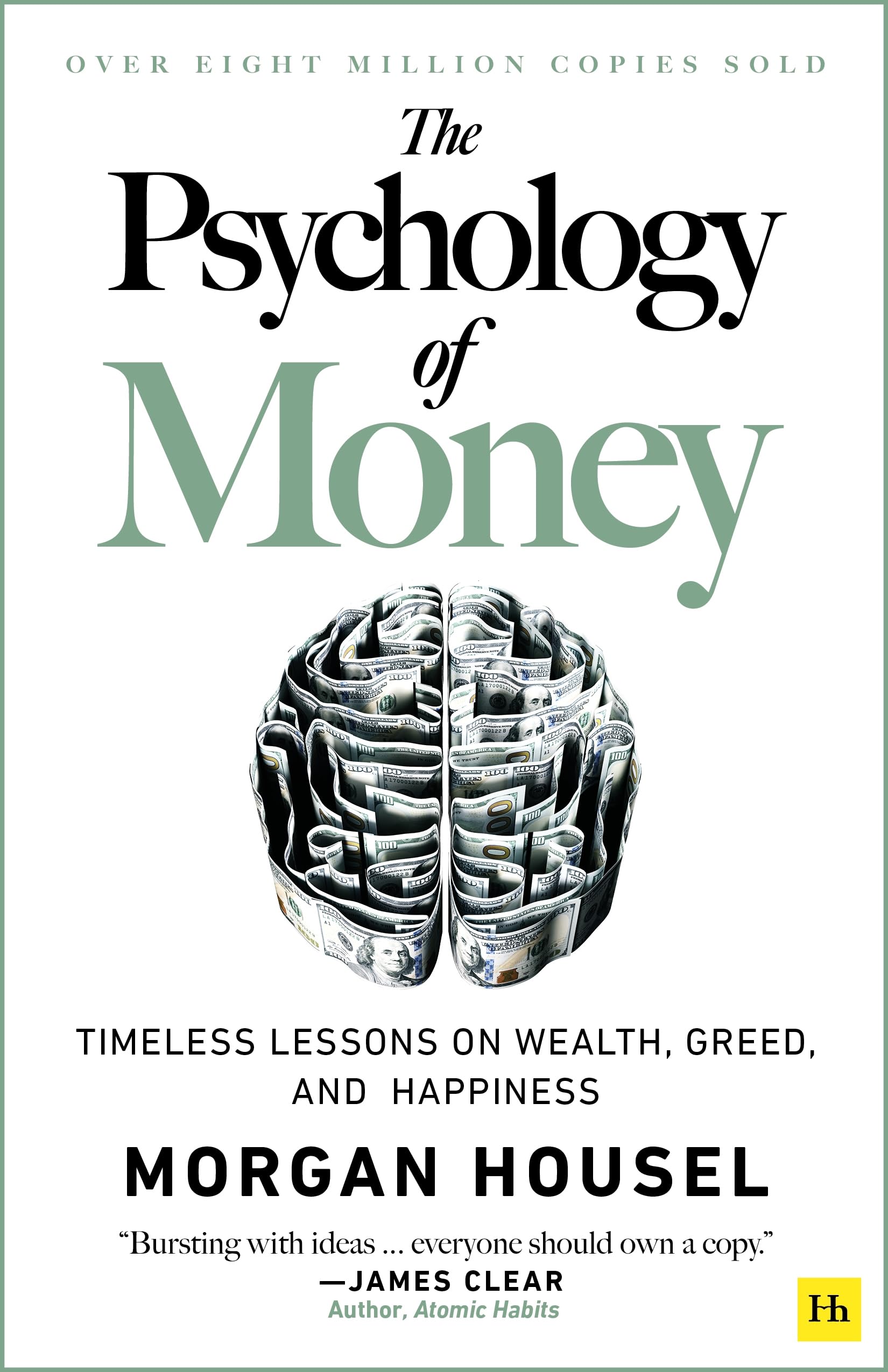


The Psychology of Money – Book Review & Key Lessons Every Investor Must Learn
Author: Morgan Housel
Genre: Personal Finance | Investing | Behavioral Economics
When it comes to money, most people believe success depends on intelligence, stock-picking skills, or complex strategies. The Psychology of Money by Morgan Housel breaks this myth and delivers a powerful message:
Financial success has more to do with behavior than knowledge.
This book focuses less on numbers and more on how humans think, feel, and behave with money—which is exactly where most people go wrong.
Why This Book Is Different From Other Finance Books
Unlike traditional finance books filled with formulas and charts, The Psychology of Money uses short stories, real-life examples, and timeless wisdom to explain why people make poor financial decisions—even when they know better.
It teaches you:
-
Why smart people make bad money decisions
-
Why patience beats intelligence in investing
-
Why long-term thinking is the ultimate competitive advantage
This makes it extremely relevant for:
-
Equity investors
-
Mutual fund investors
-
Traders struggling with emotions
-
High-income earners with low savings
Key Lessons from The Psychology of Money
1. Financial Success Is More About Behavior Than Knowledge
You don’t need a high IQ to build wealth.
What you truly need is:
-
Self-control
-
Patience
-
Emotional discipline
Many people know what to do with money—but fail to act consistently.
2. Luck and Risk Play a Bigger Role Than We Admit
-
Every big success includes some luck
-
Every failure includes unseen risk
-
We often learn only from survivors, not from failures
Never assume someone’s success formula will work exactly the same for you.
3. Compounding Is the Most Powerful Force in Finance
Wealth grows slowly at first, then explosively.
-
Time in the market is more important than timing the market
-
Staying invested matters more than chasing returns
-
The biggest gains come in the later years
Small returns over a long time beat big returns over a short time.
4. Getting Rich and Staying Rich Are Two Different Skills
-
Getting rich often needs optimism and risk-taking
-
Staying rich needs:
-
Caution
-
Humility
-
Margin of safety
-
Avoiding big losses is more important than earning big returns.
5. Wealth Is What You Don’t See
Wealth is not:
-
Luxury cars
-
Expensive homes
-
Social media lifestyles
True wealth is money not spent.
It’s silent, boring, and invisible—but powerful.
6. Freedom Is the Real Goal of Money
Money’s greatest value is not consumption—it’s control over time.
-
Freedom to choose what you work on
-
Freedom to say no
-
Freedom to live life on your own terms
This is the highest return money can give.
7. Everyone Has a Different Money Experience
Your financial decisions are shaped by:
-
The economy you grew up in
-
Family experiences
-
Personal failures and wins
There is no single “correct” investing strategy for everyone.
8. Being Reasonable Beats Being Perfect
People don’t act rationally—they act reasonably.
A good plan is one that:
-
You can stick with
-
Matches your emotional tolerance
-
Survives bad markets
Consistency matters more than perfection.
9. A Few Big Events Matter More Than Daily Noise
Most investing success comes from:
-
A few big decisions
-
Rare events (booms, crashes)
Ignoring daily market news helps you focus on what truly matters.
10. Survival Is the Most Important Rule
You don’t need to win every time.
You only need to avoid ruin.
-
Don’t take risks that can wipe you out
-
Stay in the game long enough for compounding to work
Longevity beats brilliance in investing.
Who Should Read The Psychology of Money?
This book is ideal for:
-
Long-term investors
-
Traders struggling with emotional discipline
-
High-income professionals
-
Anyone seeking financial peace, not just returns
Final Verdict
⭐ Rating: 5/5
The Psychology of Money is a timeless book that should be read by everyone who earns, saves, invests, or spends money.
One-Line Takeaway
Doing well with money has little to do with how smart you are and everything to do with how you behave.
👉 If you liked this review, share it with someone who is financially smart but emotionally struggling with money.
👉 Follow this blog for more practical investing and personal finance insights.